
The Blog
Product Development & Manufacturing Insights

In product development, a picture is worth a thousand changes.
A visual overlay is a sampling review method where required changes to a prototype are marked directly onto photos of the physical sample. It uses CAD markups, reference images, and physical swatches, instead of written instructions. It matters because a written list of changes gets lost across language, culture, and distance, and every misunderstood instruction costs another two-week round of resampling.

Balancing the Triangle: The Three Pressures on Product Development
The Iron Triangle of product development is the balance between specifications, cost, and time, and the principle that you can usually optimise for two of the three, but rarely all three at once. Understanding how the pressure between them shifts across a project is one of the most useful, and most overlooked, skills a product developer can have.

You Have a Prototype, Is That the Same as What You Will Get in Mass Production?
A prototype (confirming a design) is not the same as mass production. The gap between the two depends heavily on how the sample was made, who made it, and the production method. That gap can widen if a proper design for manufacturing review was never done in the beginning.

Great Idea, Now What? Why Commerciality Has to Be Checked Before You Design
Checking commerciality at the idea stage means confirming a product can be manufactured, priced, and sold before any real design work begins. It matters because a brilliant solution to a real problem can still fail completely if nobody checked whether it could be built and sold at a price the market will pay.

Expertise Without the Overhead: Why You Don’t Need a New Department, You Need the Right One…On Demand.
‘Expertise without the overhead’ means accessing decades of specialist product development experience only when you need it, rather than carrying the cost of a full-time hire or an overseas office all year round. For a growing SME, that difference is often what decides whether new product ideas actually happen… or quietly stalls.
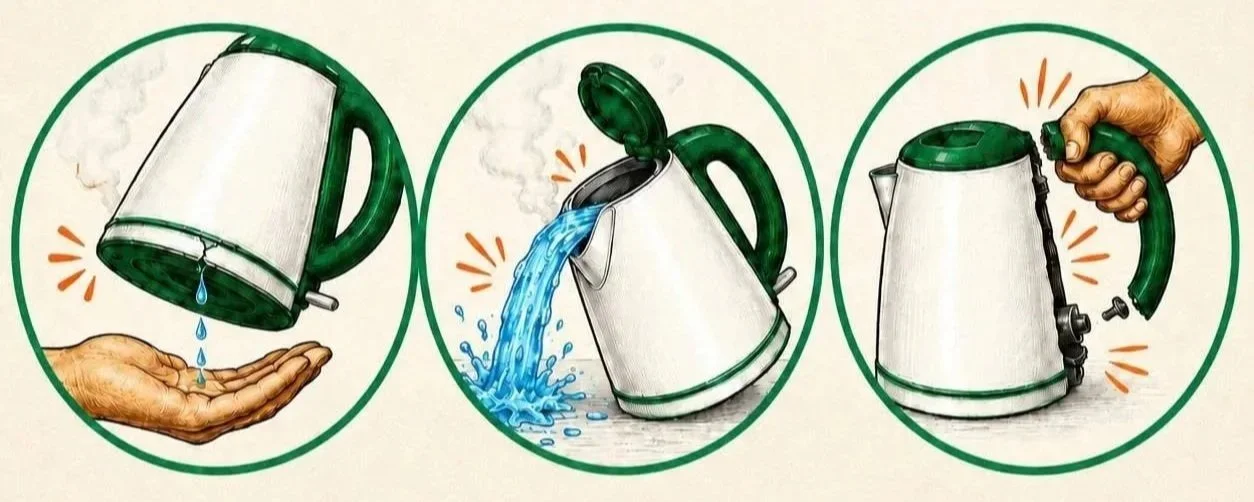
Standards Testing is Not Enough, Build a Quality Checklist Specific to Your Product
A ‘product-specific quality checklist’ is a set of functional, repetitive, use-and-abuse test criteria built around what your product needs to survive, in addition to any mandated or voluntary safety certification. It matters because a generic checklist, even a fully certified one, was never designed to catch the failure points unique to your product.
Packaging is Key to Holistic Product Development
A realistic product development timeline accounts for supplier reliability, product complexity, and review cycles, not just the best-case number on a factory quote. It sits closer to an art built from experience than a fixed formula, and getting it wrong is one of the most common ways a launch date is blown out.

Building a Realistic Product Development Timeline, Not an Optimistic One
A realistic product development timeline accounts for supplier reliability, product complexity, and review cycles, not just the best-case number on a factory quote. It sits closer to an art built from experience than a fixed formula, and getting it wrong is one of the most common ways a launch date is blown out.
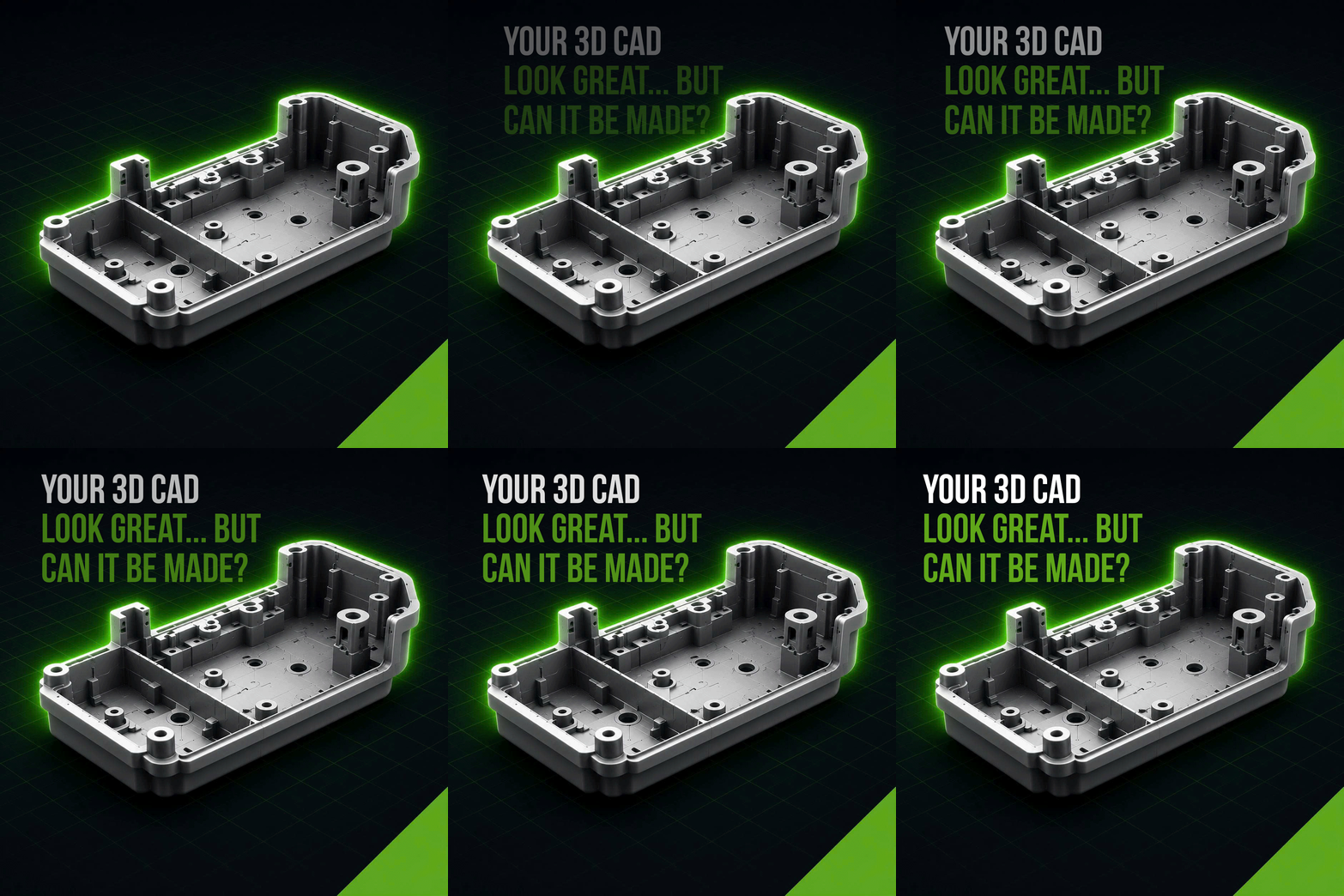
The CAD to Factory Floor Gap: Why Your 3D Renders Are Unmanufacturable (And How to Fix Them)
A perfect 3D render says nothing about manufacturability. Learn the three DFM mistakes that delay tooling for months and how to catch them before steel is cut.