
Packaging is Key to Holistic Product Development
‘Packaging alignment’ is the practice of beginning the design of a product's packaging, at the product concept stage… not after it. Get it right and packaging becomes part of the product's value. Get it wrong and a great product delivers a forgettable, or even damaging, first impression.
Ignoring the packaging early costs easy additional value
It happens on almost every project. Founders and product developers pour everything into the product itself (the function, the finish, the feel), and the packaging becomes an afterthought, something to sort out once the "real" design work is done.
That is a mistake, because packaging should not be seen as separate from the product. It is the first thing a customer actually interacts with, and it does several jobs at once: it sells the product on the shelf, it enhances the product positioning through the unboxing, it can add genuine value beyond the box itself, and it has to get the product to the customer in one piece.
Missing any one of those jobs undoes work you have already done elsewhere.
Packaging as the Final Billboard
If your product is going through a retail store, it is sitting next to thousands of other products at the exact moment someone is deciding what to buy. Your packaging must be eye-catching and distinctive, but more importantly, it has to communicate value, and this is where a lot of brands get it wrong.
The common mistake is crowding the box with features, and forgetting to say what those features actually mean to the customer. A small electric oven might print "timer included" on the front. That is a feature. "Never overcook again, with timer included" is the same feature, but now it is a benefit…and benefits are what actually move someone to pick a box up off a shelf.
Use benefits, not features on your call outs
Getting this balance right is a skill that takes real experience, and it is exactly what a good graphic designer brings to a packaging brief. It also pays off earlier than most people expect. Working out how you are going to sell the product through its packaging, before the concept is even finalised, helps you confirm you are building the right features into the product. The Tincat team sketch out packaging ideas at the same time as a product concept. When developed together they create harmony for the customer and enhance the user experience.
Packaging as the Unboxing Experience
How your packaging opens should support your brand's position, not fight against it. A high-end product should feel joyful and easy to open. Small ergonomic touches such as a belly band instead of tape, or a ribbon to lift the product out instead of having to tip the whole box upside down, make a customer feel like they are holding something premium before they have even seen the product itself. This glow extends to the product and we have seen fewer returns on a product when done well.
A budget brand needs the opposite discipline. Minimal packaging keeps the customer's attention on value, rather than making them feel like half their money went into a box that is about to be thrown out.
Packaging as Added Value
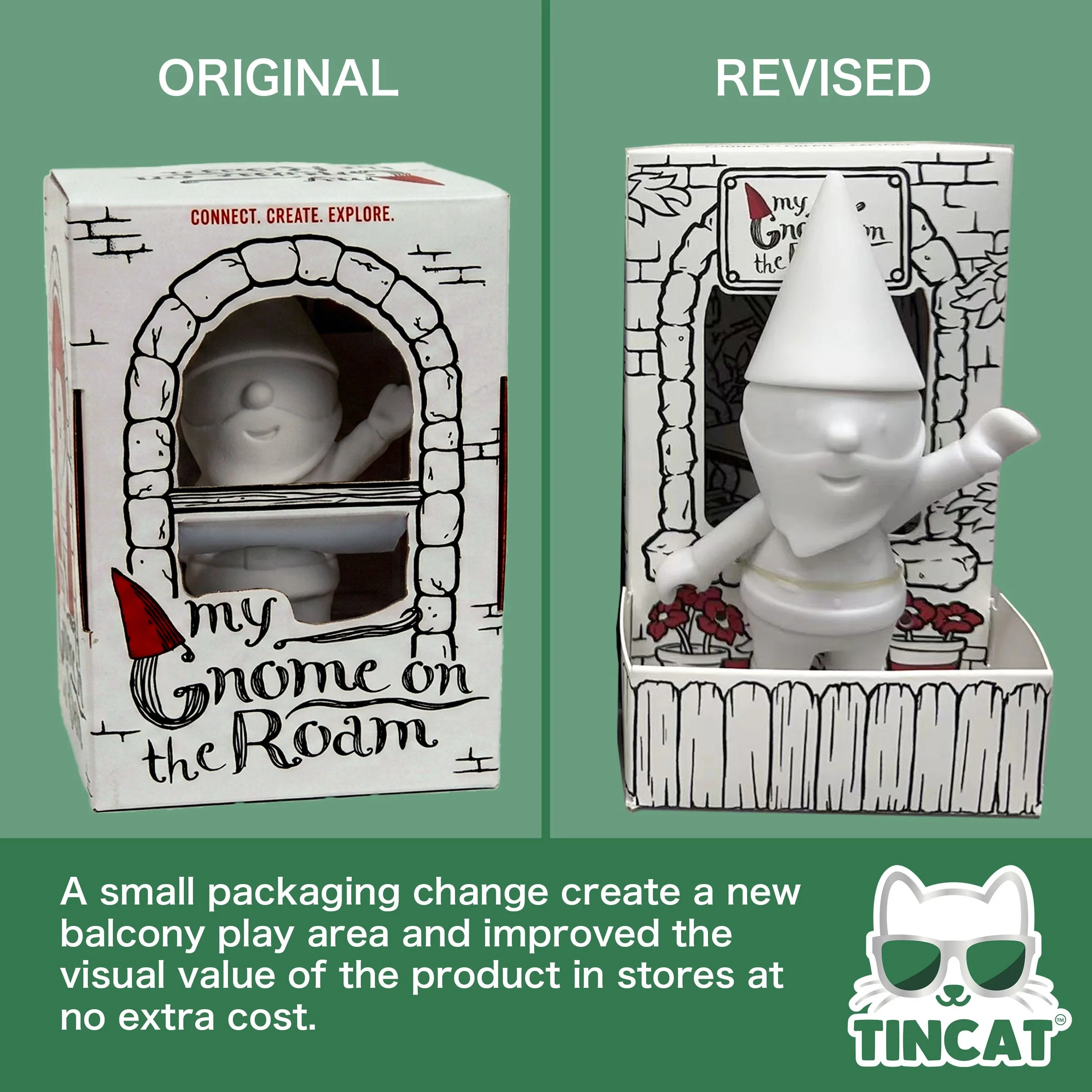
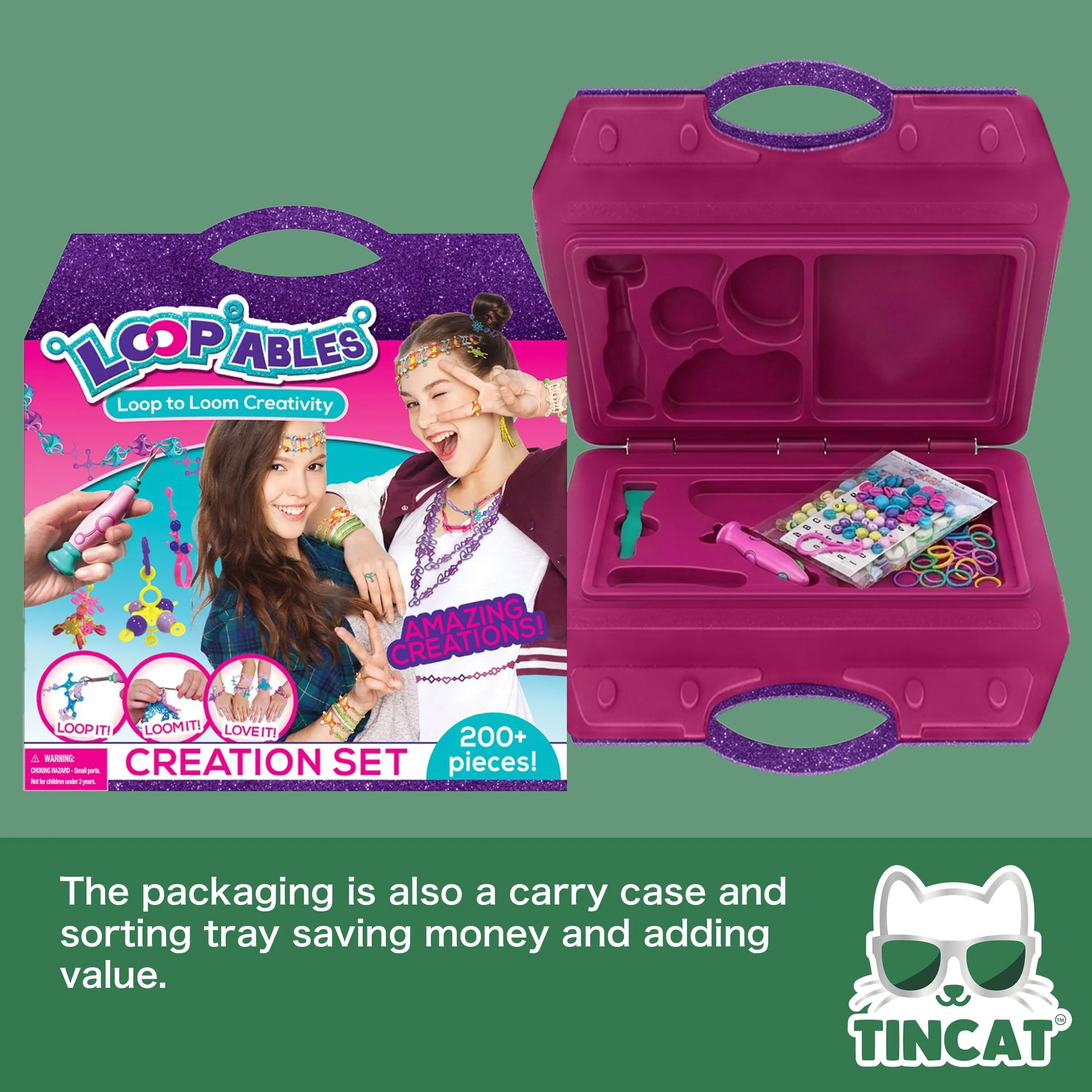
Done well, packaging can do more than hold and present a product, it can become part of the product's value. A board game's box is also its storage system for the rest of its life. A princess-themed figurine set's packaging might fold out into a castle, extending the play value long after the box is opened. A Nespresso box can be turned inside out and repurposed to hold spent capsules. (It doesn’t at the moment, but it could!)
None of these ideas are obvious add-ons bolted on at the end. They only work because someone thought about them at the concept stage, alongside the product itself, not after the product was already locked in.
Packaging as Protection
Packaging's least glamorous job is also its most important: getting the product to its destination in one piece. This is where thinking about packaging early, at the same time as the product, genuinely changes what is possible.
On one project, this thinking at the concept stage let us add small holes to the underside of the product itself, so it could be screwed directly into the packaging. That created far better security than the usual straps and tape, and a noticeably better unboxing experience on top of it.
It also matters how the product will be sold. If it is going out through a marketplace like Amazon, sent individually rather than in bulk, could the retail box also double as the shipping mailer? Working that out early can save you from needing to design and pay for an entirely separate layer of packaging later, when you discover every unit needs its own individual carton.
Expert Insight
"The best packaging decisions we make happen early in the development process," notes the Tincat design team. "By the time a product is finished and someone asks us to 'just sort out the box,' we have already lost the chance to build genuine value, security, or unboxing delight into the design itself. Packaging deserves a seat at the table from day one, not a slot at the end of the timeline."
What This Means for Your Product
Bring packaging into the conversation at concept stage, not after the product is finalised. Decide early whether your packaging needs to signal premium or value, and design deliberately toward that. Look for ways the box itself could add value beyond protection, storage, play value, or a second life. And confirm how the product will actually be sold and shipped before you finalise the packaging structure, not after.
Get packaging designed alongside your product, not after it. Contact Tincat
Frequently Asked Questions
-
A: At the concept stage, alongside the product itself. Packaging decided this early can influence the product's features, its structural design, and even how it is manufactured, none of which are possible once the product is already locked in.
-
A: Not necessarily. A lot of the most effective examples, a belly band instead of tape, a box that repurposes into storage, come from clever design thinking rather than a bigger budget. The value comes from planning early enough to make these choices deliberately.
Written by the Tincat Team